
Home › QJ12-80 Buchholz Relay
What’s Inside, How It Works, and What to Check Before You Install
By Ziyang · Transformer Protection · 6 min read
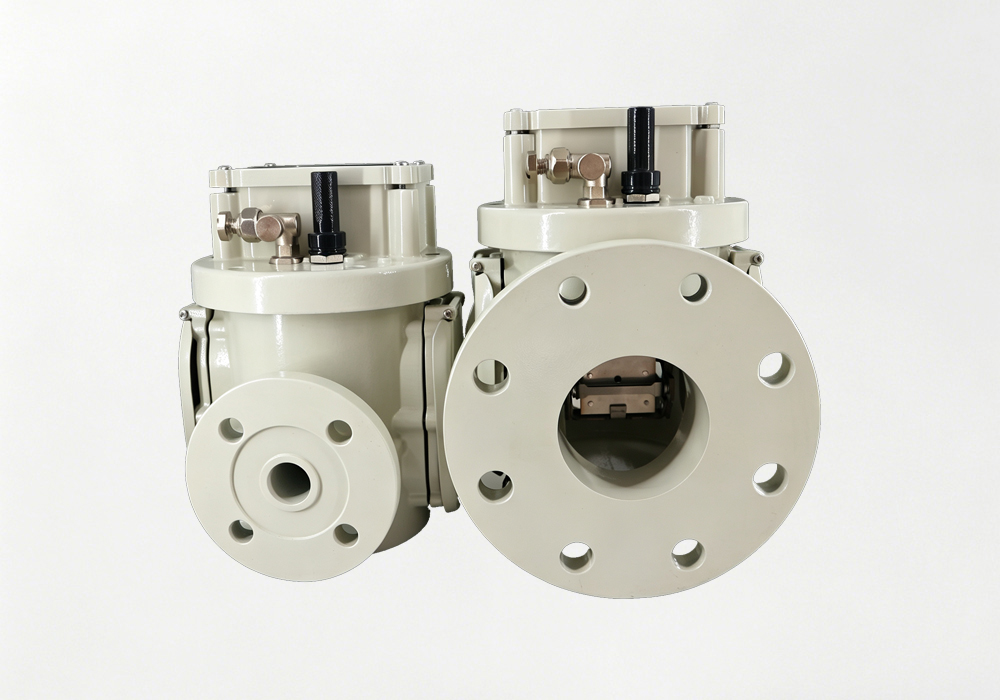
QJ12-80 double-float Buchholz relay, DN80
Opening
We get asked about Buchholz relays almost every week. Not because they’re complicated — they’re actually one of the simplest protection devices on a transformer. But because there’s a lot of wrong information out there, especially about which model to use and how to set it.
This post is about the QJ12-80. It’s the double-float, DN80 model we make and ship most often for power transformers. No animations, no 3D cutaways. Just what’s inside, how it behaves, and what we check before every unit leaves the shop.
Where It Goes
The QJ12-80 mounts on the pipe between the main tank and the conservator. The arrow on the body must point toward the conservator. If you install it backwards, gas can’t collect properly and the floats won’t sit where they should.
We see this mistake a lot on refurbishment jobs. Someone takes an old relay off, puts a new one on without checking the flow direction, and wonders why the alarm comes on for no reason.
What’s Inside
Two floats. That’s the main difference between this and the single-float models.
• Top float When a minor fault develops, like a loose connection or slight overheating, gas bubbles rise through the oil and collect in the top of the relay. The oil level drops, the top float sinks, and the alarm contact closes.
• Bottom float If a serious fault occurs, the oil moves fast through the pipe. The bottom float gets pushed and the trip contact closes, which shuts the transformer down.
Both floats use mercury tilt switches. No springs to fatigue, no contacts to burn. Simple and reliable.
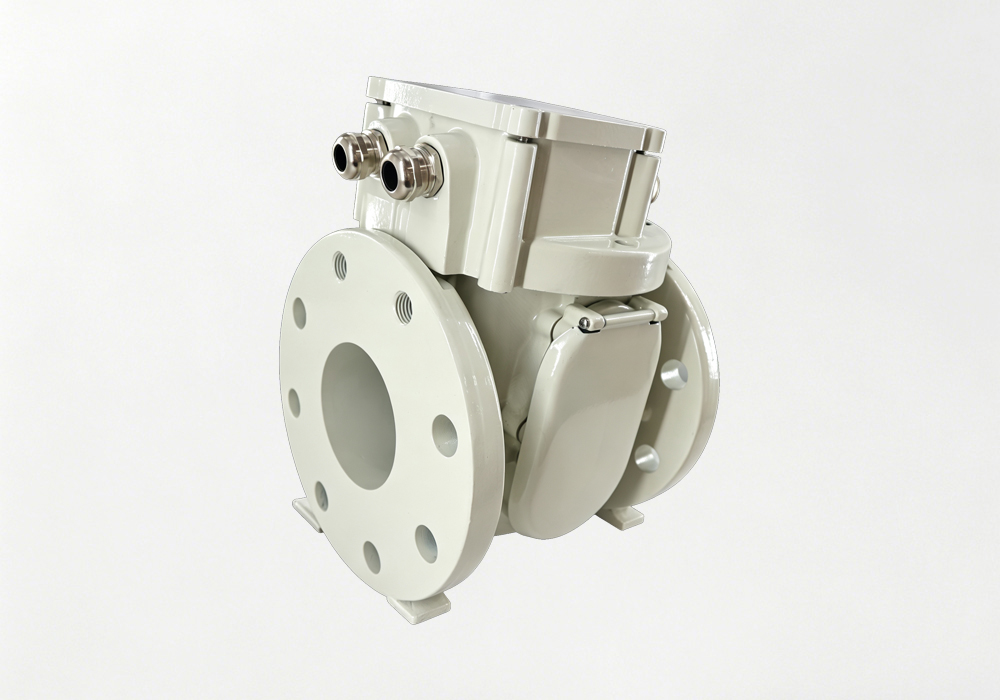
There’s also a test cock on top and a terminal box on the side. That’s the whole unit.
What We Test Before Shipping
Every QJ12-80 gets tested one by one. Not sampled. Every single one.
We check three things:
• Gas alarm volume — typically set to operate between 250 and 300 ml of gas. We adjust it on a test bench, not by guesswork.
• Oil surge speed — usually set between 0.8 and 1.2 m/s. This depends on your transformer design, so we confirm the value with you before we set it.
• Contact operation — We physically press the test probe and verify the contacts close and open cleanly. Every time.
The test report goes in the box with the relay. Not emailed later. In the box.
Installation Notes We Give Every Customer
• Pipe bore must match DN80. Don’t use adapters to fit a smaller relay onto a larger pipe.
• Tilt the relay slightly toward the conservator. We recommend within 4 degrees. This helps gas move up into the relay instead of pooling in the pipe.
• After installation, open the gas cock and bleed air until oil comes out. If you skip this, the floats can stick and the alarm won’t work.
• Do a test trip before energizing the transformer. Press the probe, confirm the breaker opens, reset, and you’re done.
QJ12-80 vs QJ12-25
We make both. The 25 is for smaller distribution transformers and compact units. The 80 is for larger power transformers where the connecting pipe is bigger and the oil volume is higher.
If you’re not sure which one your transformer needs, send us your tank drawing. We’ll tell you within a day.
| Feature | QJ12-25 | QJ12-80 |
| Application | Distribution / compact units | Power transformers |
| Pipe bore | DN25 | DN80 |
| Alarm float | Upper float | Upper float |
| Trip float | Lower float | Lower float |
| Oil surge setting | As specified | 0.8 – 1.2 m/s |
| Gas alarm volume | As specified | 250 – 300 ml |
Closing
The QJ12-80 isn’t a complicated device. It’s two floats, two switches, and a cast aluminium body. But the details matter — flow direction, tilt angle, bleed procedure, test values.
If you’re sourcing these for a project, ask your supplier three questions:
• 1. What gas volume is the alarm set to?
• 2. What oil speed is the trip set to?
• 3. Can you send a photo of the test bench with my unit on it?
If they can’t answer all three, keep looking.