
Home › Buchholz Relay: The Small Device That Saves Transformers From Themselves
Ask a protection engineer what the most underrated device on a transformer is, and you’ll get a lot of different answers.
Ask the same engineer what they check first when a transformer trips unexpectedly, and the answer is almost always the same: the Buchholz relay.
It’s a small metal chamber mounted on the pipe between the transformer tank and the conservator. No moving parts you can see from the outside. No display, no lights, no buttons.
But inside that chamber, a simple mechanical principle has been protecting transformers for over a century—and it still works better than most electronic monitoring systems.
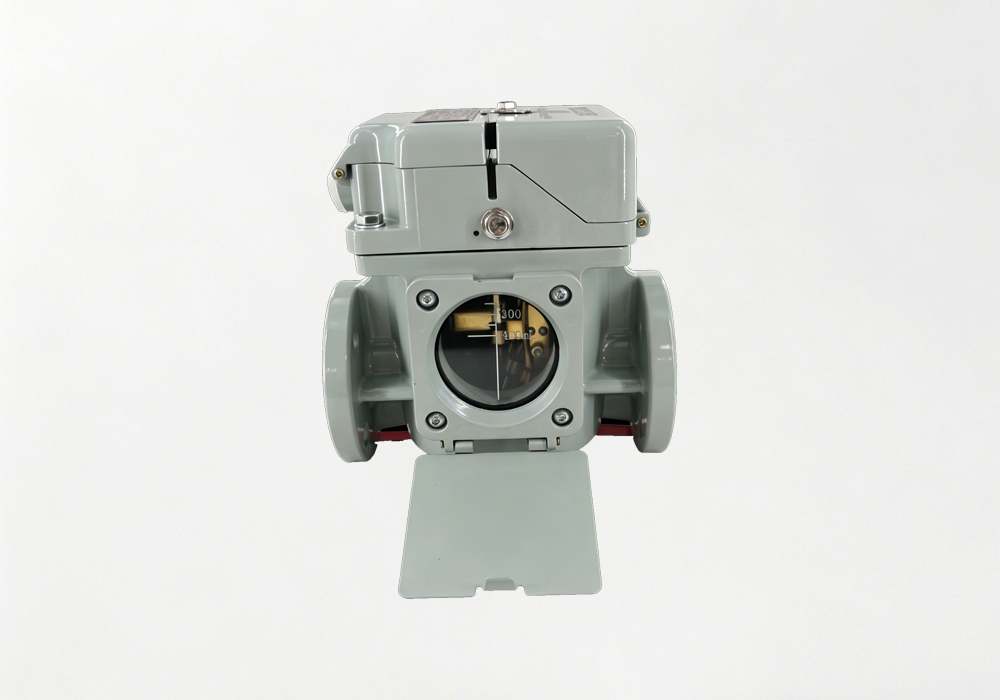
The Buchholz relay sits in the oil path between the transformer and the conservator tank. Inside, there are two floats—one at the top, one at the bottom—each connected to a mercury switch or reed contact.
Under normal operation, the relay is full of oil. Both floats sit at their upper limits, and both contacts are open.
When a minor fault develops inside the transformer—say, a loose connection or slight overheating—the heat breaks down the oil molecules, releasing small amounts of gas. That gas rises through the oil and collects at the top of the Buchholz relay. As gas accumulates, the oil level drops. The upper float sinks with it and closes its contact.
That triggers an alarm signal. The transformer is still running, but now the control room knows something is happening inside the tank.
If the fault escalates—a short circuit, for example—the gas production becomes violent. Oil surges through the relay, forcing the lower float to trip instantly. That contact is wired directly into the transformer’s trip circuit, so the unit disconnects from the grid before the fault can cause catastrophic damage.
Two functions, one device:
That’s it. That’s the whole job.
You’d think a device based on floating mechanical switches would be obsolete by now. It isn’t.
Modern transformers have sophisticated online monitoring systems—DGA analyzers, partial discharge sensors, fiber optic temperature probes. All of these are valuable. But they’re also expensive, complex, and require power and communication infrastructure.
The Buchholz relay needs none of that. It’s purely mechanical. It works whether or not the substation has a SCADA system, whether or not there’s an internet connection, whether or not anyone is watching.
It’s the last line of defense that doesn’t depend on anything else working.
That’s why utilities and industrial operators still specify Buchholz relays on virtually every oil-immersed transformer above a certain size. Not because they’re old-fashioned, but because mechanical simplicity is a feature, not a limitation.
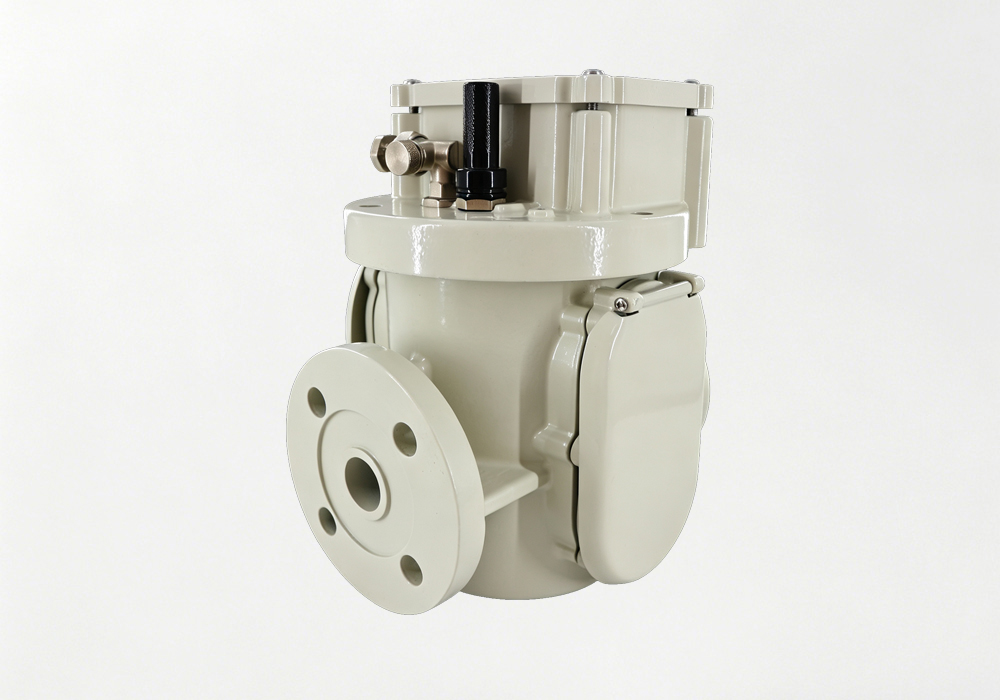
Despite the simple design, Buchholz relays do fail. Not often, but when they do, the consequences are serious.
Here’s what we see in the field:
Sticky floats. If the relay sits unused for years—which happens on healthy transformers—the float mechanism can stiffen. The float doesn’t sink properly when gas accumulates, so the alarm never fires. The transformer runs with a developing fault, and nobody knows.
Contaminated contacts. The contacts inside the relay are exposed to oil vapor and, over time, can develop oxidation or contamination. A contact that doesn’t close reliably is a contact that might not close when it matters.
Calibration drift. The float’s trip point can shift over time due to spring fatigue or sediment buildup. A relay that trips too early causes nuisance outages. A relay that trips too late defeats the entire purpose.
Leaking seals. The relay’s gaskets and seals degrade, especially in outdoor installations with wide temperature swings. Oil leaks are messy, but worse, they allow moisture in—which degrades the oil and accelerates the problems the relay is supposed to detect.
None of these failures are dramatic. They’re all silent. And that’s exactly what makes them dangerous.
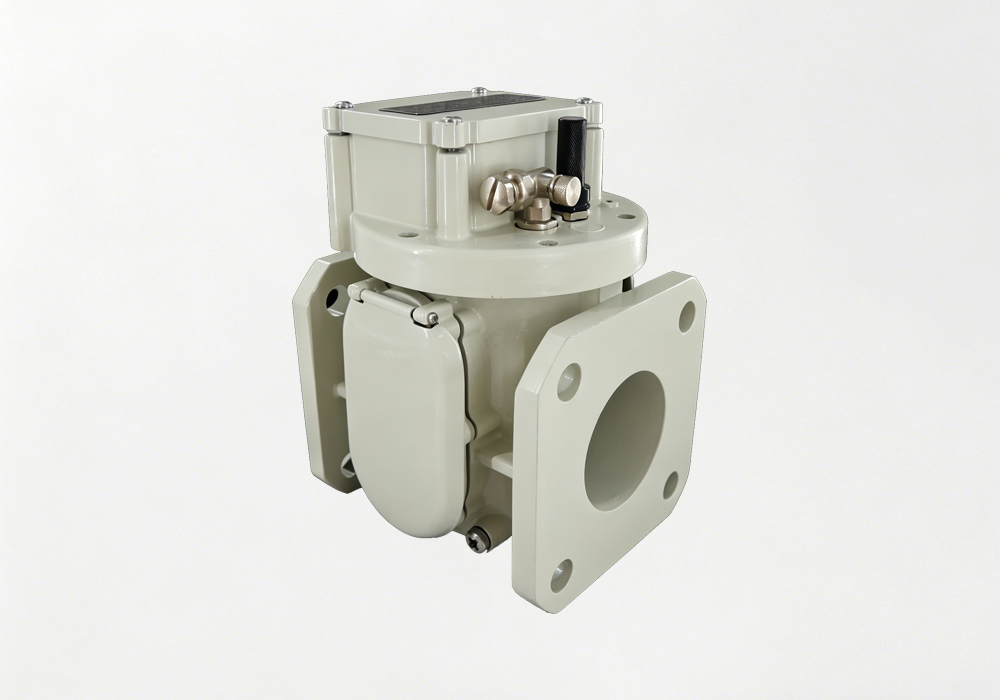
If you’re specifying a Buchholz relay for a new transformer or replacing one on an existing unit, here’s what actually matters:
Flange size and orientation. The relay has to physically fit the pipe between the tank and conservator. Get this wrong and nothing else matters. Common sizes are 25mm, 40mm, 50mm, and 80mm, but always verify against your transformer’s actual piping.
Contact rating. The alarm and trip contacts need to handle the voltage and current of your control circuit. A relay with contacts rated too low will fail prematurely or cause intermittent signals.
Float material and design. Stainless steel floats are more reliable than aluminum in corrosive environments. And the float’s pivot mechanism matters—a well-designed pivot will stay free-moving for decades.
Seal quality. Look for relays with high-quality gaskets that can handle temperature extremes and oil exposure. This is the difference between a relay that leaks in year three and one that stays dry for fifteen.
Certification and testing. For projects in regulated markets, the relay should have appropriate certification and test documentation. This isn’t bureaucracy—it’s evidence that the device actually performs to spec.
Manufacturer track record. Buchholz relays look similar across brands, but the internal quality varies significantly. A manufacturer with decades of production experience and field installations is a safer bet than one that just started making them.
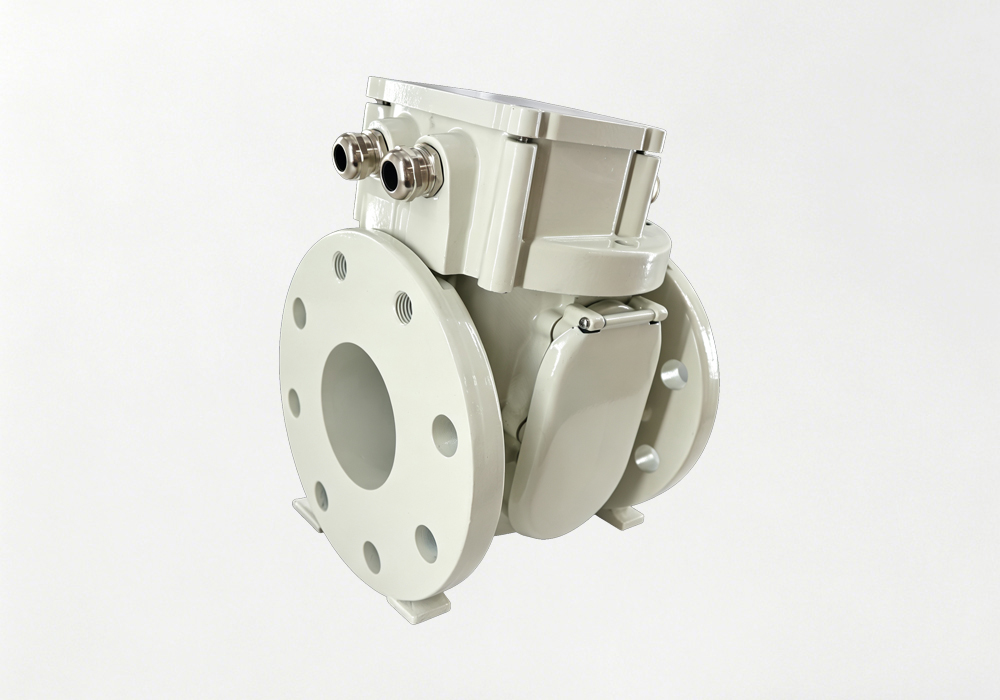
If you have Buchholz relays in service, here’s a simple maintenance habit that catches most problems early:
Once a year, manually operate the test valve to verify the alarm contact closes properly. If the relay has a test button, use it. If it doesn’t, open the vent valve slightly and confirm the alarm signal appears in the control room.
That one five-minute check will catch sticky floats, failed contacts, and calibration drift before they become real problems.
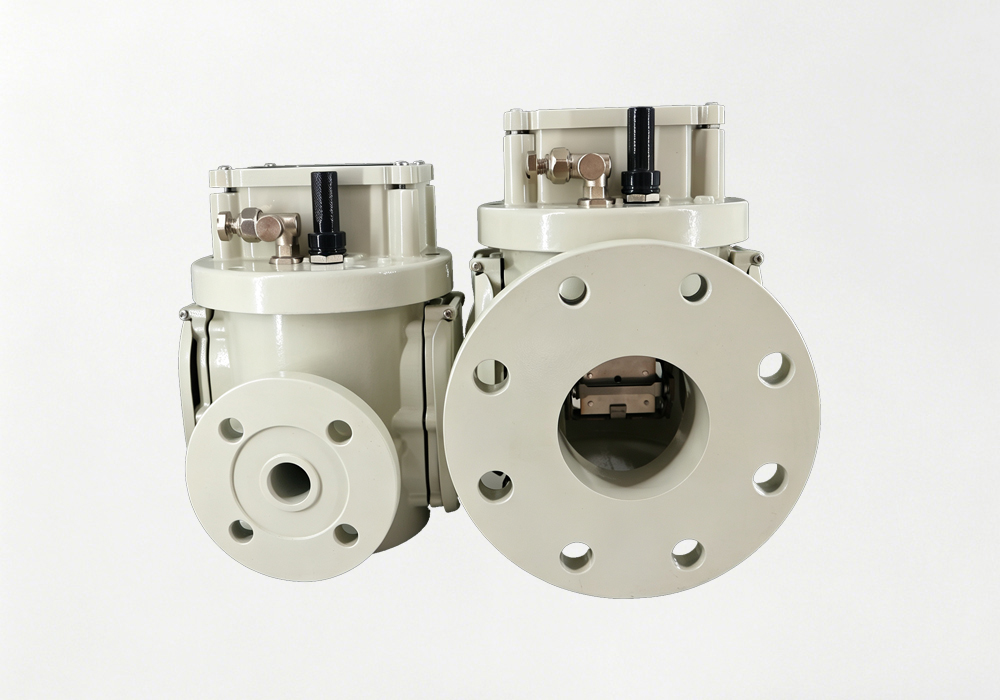
The Buchholz relay is one of the oldest protection devices in the power industry, and it’s still one of the most important. It’s simple, mechanical, and doesn’t need electricity to do its job.
Treat it with respect. Specify it carefully. Test it regularly.
Because when a transformer faults, the Buchholz relay is the one device that’s guaranteed to be paying attention.