
Home › Transformer Accessories: Nobody Thinks About Them Until 2 AM
They’ll say “load,” “weather,” “protection coordination,” maybe “that one relay that’s been acting up.”
But when something actually goes wrong—when a transformer trips offline in the middle of the night—the first questions are almost always about the small stuff:
None of these components are glamorous. They don’t make the cover of a transformer spec sheet. But they’re the difference between a minor issue caught early and a catastrophic failure discovered after the fact.
We’ve been making transformer components for 27 years. In that time, we’ve seen a lot of failure modes—and most of them aren’t in the windings.
The problems cluster around the periphery:
Bushings. Cracking sheds, degraded sealing, moisture ingress. The bushing is the interface between the transformer and the outside world, and it takes a beating—UV, rain, pollution, thermal cycling. When it fails, it tends to fail spectacularly.
Breathers. A breather that stops absorbing moisture doesn’t announce itself. It just quietly lets humid air into the conservator, and the oil degrades a little faster every day. By the time someone notices, the oil’s acid number is already climbing.
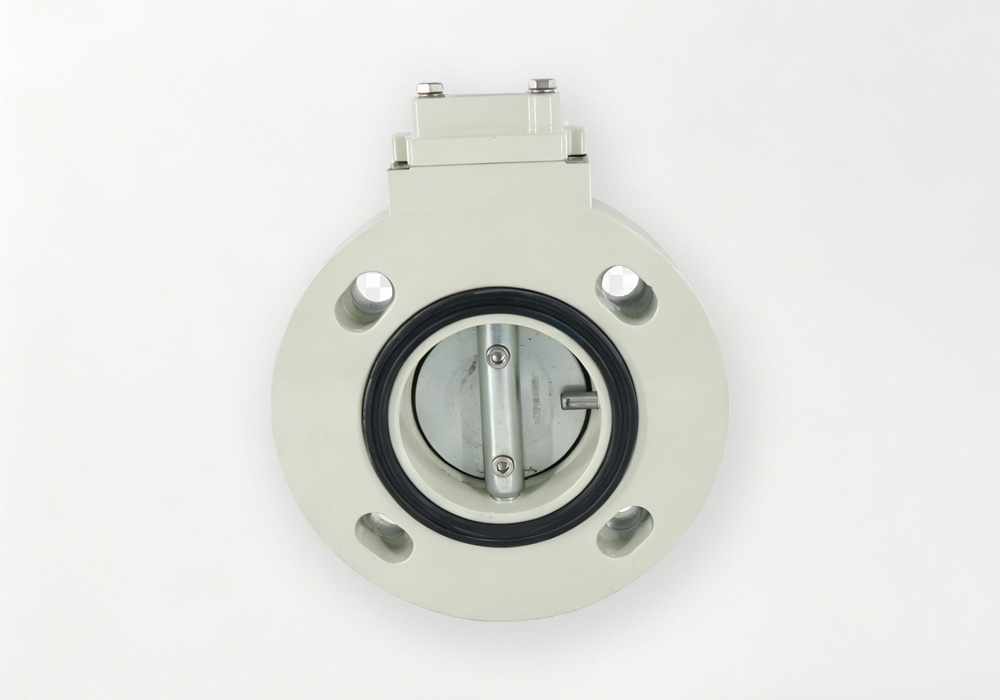
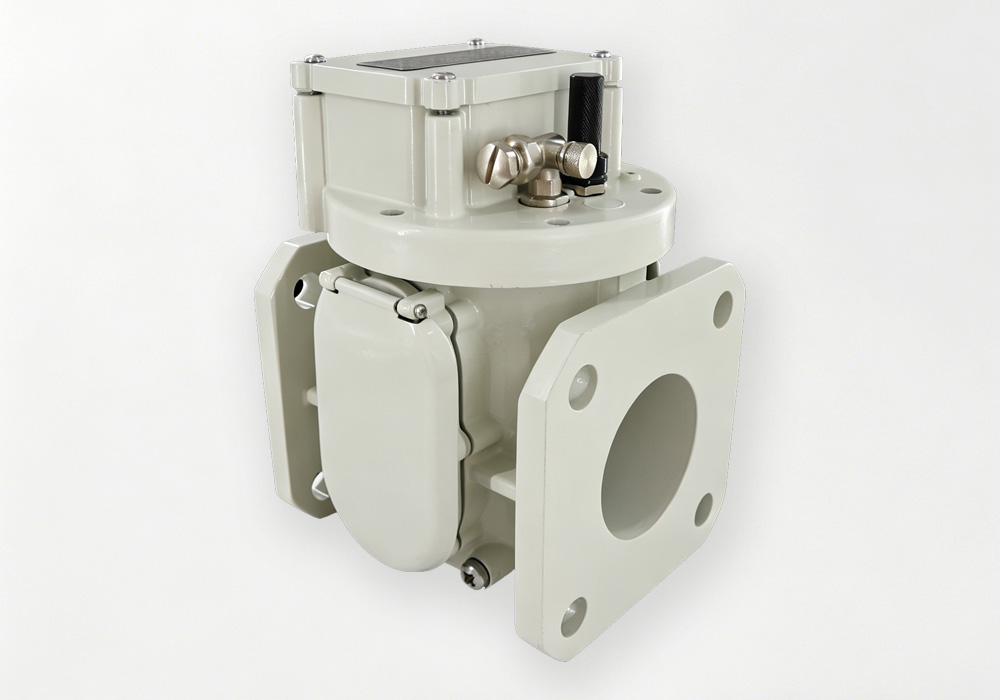
Valves. Butterfly valves and shut-off valves that sealed fine at commissioning but seep after two winters of thermal cycling. The gasket hardens, the flange relaxes, and suddenly you’ve got a slow leak that’s “not bad enough” to fix but bad enough to keep the maintenance crew annoyed.
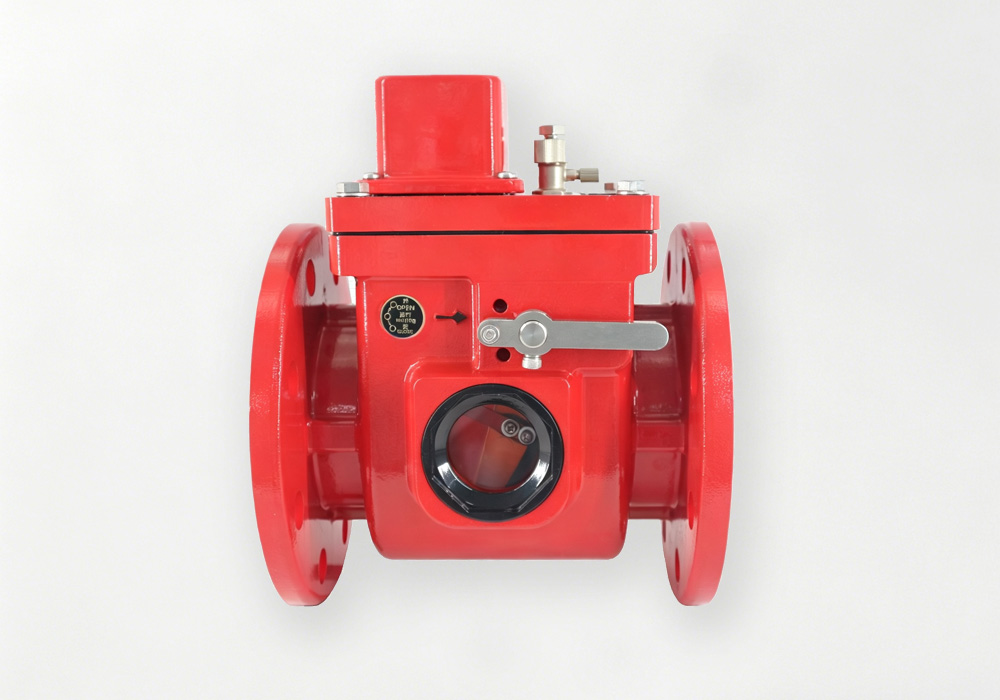
Buchholz relays. Sticky floats, contaminated contacts, calibration drift. A Buchholz relay that doesn’t operate when it should is worse than no relay at all—because nobody knows it’s dead until the transformer faults.
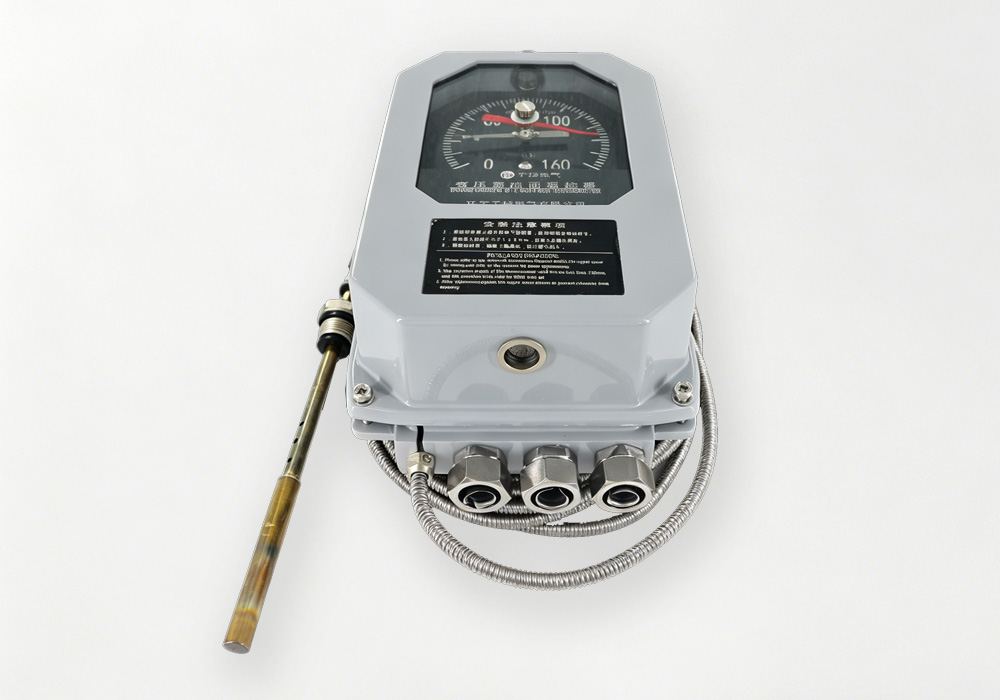
OTI/WTI gauges. Drift. The indicator reads 65°C, the actual oil temperature is 71°C, and the operator is making decisions based on wrong data. That’s how small problems become big ones.
Here’s the thing about transformer accessories: they all look similar in a catalog.
Two bushings have the same creepage distance. Two breathers use the same color silica gel. Two Buchholz relays have the same flange size and the same contact rating.
So procurement does what procurement does—picks the cheaper one.
And then, 18 months later:
We’ve had customers come back to us after exactly this experience. Not because the cheap part was “bad” in a dramatic way, but because transformer accessories operate in a harsh environment: temperature swings, oil vapor, vibration, dust, UV, sometimes −40°C in winter and +35°C in summer.
“Looks the same” doesn’t mean “performs the same.”
When a customer asks us for “standard transformer fittings,” we usually push back a little. Because “standard” depends on a lot of variables:
So before we quote, we ask questions. Not to be difficult—to make sure the parts actually do what they’re supposed to do, in the environment they’ll actually live in.
For reference, these are the ones we get asked about most:
None of these sell the project. All of them protect it.
A part that fails silently is more dangerous than a part that fails loudly.
A buzzer that annoys people is a nuisance. A Buchholz contact that doesn’t close is an accident waiting for a fault.
That’s why we obsess over things you can’t see in a photo:
Customers don’t see those things in a quote. They see them in year three.
Transformer accessories are boring—until they aren’t.
If you’re specifying a transformer or refurbishing a substation, don’t treat the fittings as “the cheap line item.” Treat them like what they are: sensors and safeguards.
If you want, send us your transformer type, fluid, and site conditions. We’ll tell you what fits, what doesn’t, and where people usually cut the wrong corner.